

Homepage
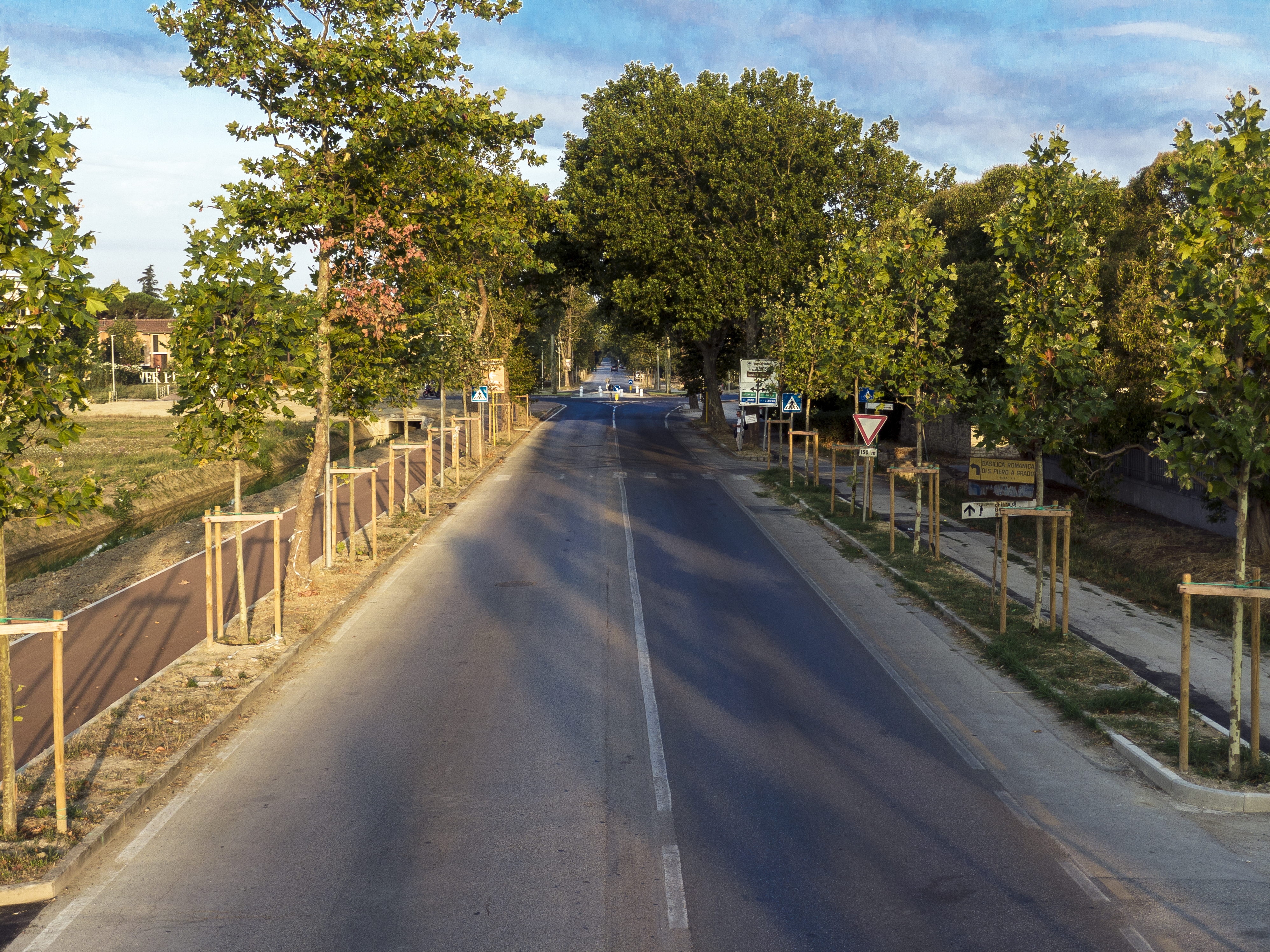
Rinnovo arboreo, il Comune di Pisa prosegue gli incontri con le associazioni ambientaliste
L’incontro segue quello del 13 febbraio scorso, in cui fu presentato a residenti e associazioni il progetto del parco di via Pungilupo
Ultime notizie
Tutte le notizie 
Politiche giovanili, martedì agli Arsenali Repubblicani di Pisa “Tecnorienta”
400 studenti e 54 aziende per una giornata di orientamento rivolta agli istituti tecnici
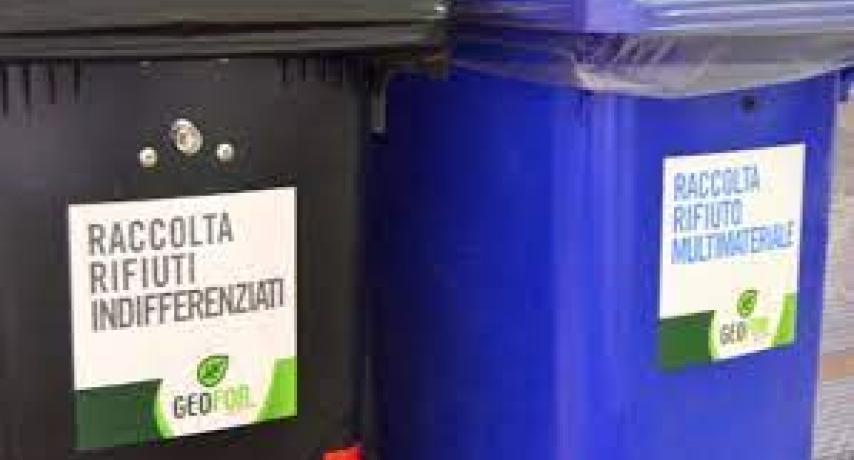
Rifiuti: lunedì 22 aprile possibili disagi per lo sciopero dei lavoratori di Geofor
Durante lo sciopero verranno garantiti i servizi minimi essenziali

Sport e inclusione: domenica “Rally-Amo”
Chiusi al traffico Lungarno Galilei e Ponte di Mezzo

“Il Lavoro viaggia con noi!”, A Pisa tour per orientamento, legalità e sicurezza
Lunedì 22 aprile in piazza Vittorio Emanuele. Previsto incontro pubblico e stand

Ambiente: nei primi tre mesi dell’anno più che raddoppiata la raccolta di rifiuti tessili
E’ attivo dal dicembre scorso il nuovo servizio di ritiro a domicilio

Cultura, alla Chiesa della Spina la mostra “Opera Sacra” di Mauro Capitani
La mostra sarà aperta fino al prossimo 19 maggio